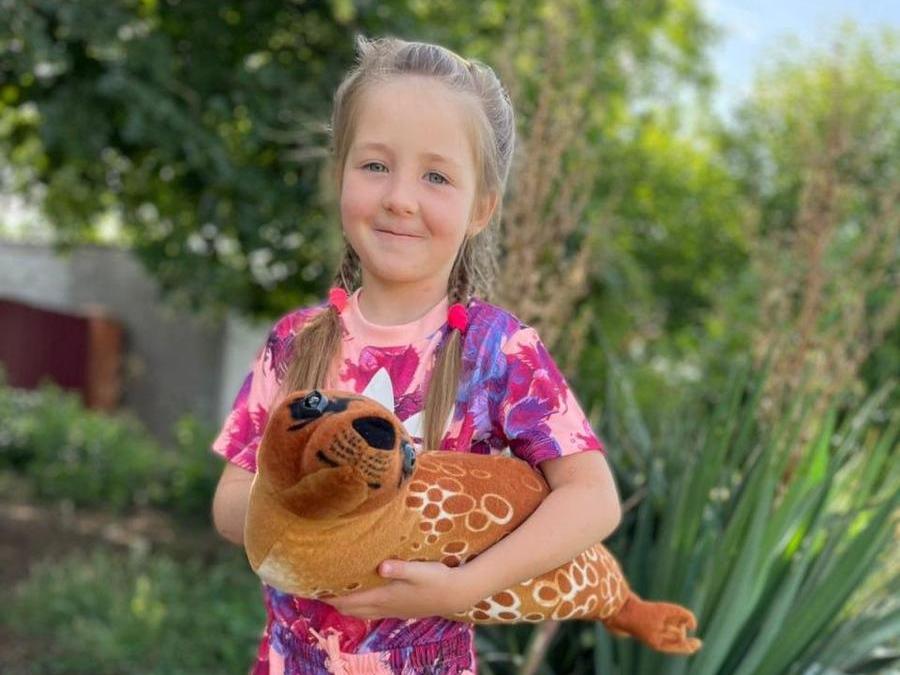
Alina is the long-awaited and beloved child in the family. She began speaking early, enjoyed learning poems, worked with a speech therapist, and loved drawing. However, at the age of 1.5, she had her first epileptic seizure, which the doctors did not recognize. A year later, the seizures returned—frequent, severe, with convulsions and loss of consciousness.
Now Alina is 5 years old, and thanks to therapy, the seizures have been brought under control. However, the illness has left its mark: her memory and learning ability have noticeably declined, she experiences hyperactivity (the girl finds it hard to sit still and concentrate), and she is falling behind her peers.
Doctors suggest that the current medications may have worsened her cognitive functions, but without an accurate diagnosis, it is dangerous to look for alternatives—Alina has an unspecified form of epilepsy.
It is critically important to conduct genetic testing now: a chromosome microarray analysis at the exon level. This will help identify the cause of the epilepsy—whether it is a genetic "breakdown" or its absence—and find a safe and effective therapy. Without the research, doctors continue to work "in the dark," risking a further deterioration in the girl's condition.