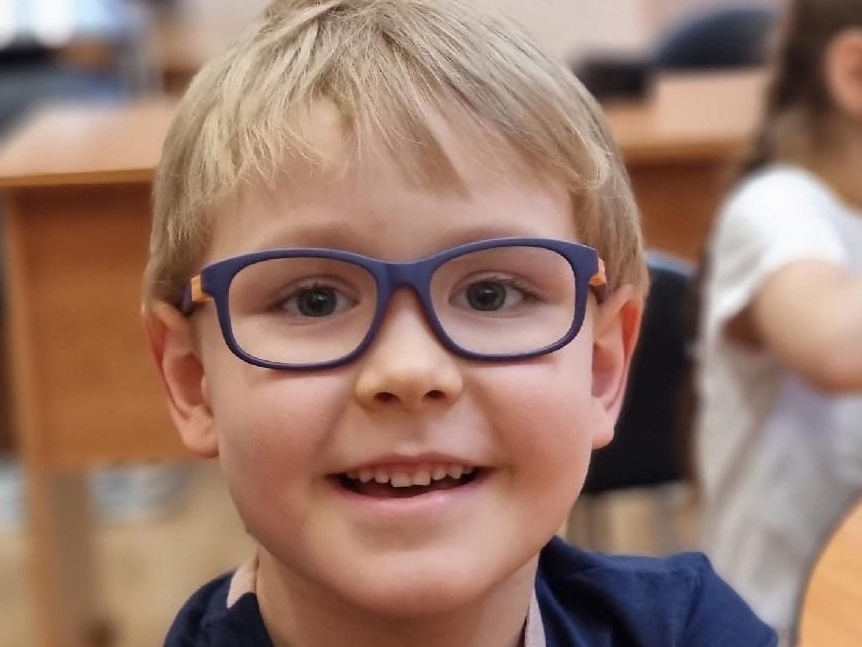
Petya is 5.5 years old. Until the age of two, he didn't speak and lagged behind in development. By age 4, he started attending a specialized kindergarten. And then the first seizure happened. An ambulance, a hospital, his mother's frightened eyes. The doctors said: "It might be migraines. It happens. Just observe."
From age 4.5, the seizures became regular — from 2 to 16 per month. Almost always with loss of consciousness.
Petya's younger sister has focal epilepsy. So they started examinations right away. But nothing was found. Petya was prescribed migraine medication. The seizures didn't stop, but they became slightly less frequent.
The kindergarten asked the family to take Petya home. He lost consciousness too often, and the children and teachers were too frightened. Recently, doctors finally detected epileptic activity in his brain. Now he needs long-term nocturnal video-EEG monitoring to determine once and for all: is it migraines or epilepsy? The treatment approaches are completely different.
But Petya really wants to return to his kindergarten. He is sociable and drawn to other children. He dreams of learning to speak well enough so that the other kids can understand him and let him join their games.