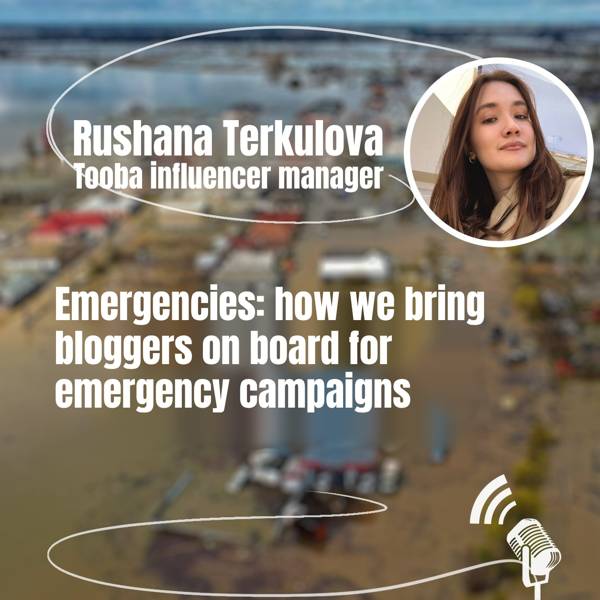
Today I'll share Tooba's experience: how we bring bloggers on board for emergency campaigns, using the help for flood victims in Dagestan as an example, where influencers became one of the main channels for spreading information.
Speed
I write first to “warm” bloggers, the ones I already have contact with. I send the mailing within the first 2–3 hours after the news of an emergency: while the news is fresh, the response is higher.
Segmentation
Local bloggers from the emergency region are worth their weight in gold: they understand the context and help with logistics. I bring in national ones later, closer to the peak of the campaign, as they provide reach and a surge of donations.
Simple communication
The first message has 4 blocks: what happened, what the foundation is doing, what is needed from the blogger, and ready-made materials (photo/video, text, payment details, link).
A personal approach
I give facts, not a rigid brief, so that they can tell the story in the language their audience is used to: stories for emotion, a post for context, reels for visuals.
Relying on authority
With major influencers, I refer to publications by bloggers, brands and media that have already covered the situation, which builds trust faster.
What helps:
▫️a pool of loyal bloggers by region
▫️local influencers
▫️personal outreach
▫️ready-made materials
▫️a mass mailing to the whole list
I don't ask them to delete a post right after the campaign closes; it's better to update it with the result. That builds trust for next time.
An emergency campaign is about how quickly trust is built. Bloggers help bring its closing closer.